- Locations
- NC & SC

Selling Guide
How To Sell A House As-Is In NC & SC (Without Getting Lowballed)
Selling as-is in the Carolinas? Here’s exactly what it means, how much it costs you vs. fixing first, and how to avoid the lowball traps cash buyers use.
- April 28, 2026
- 8:59 am
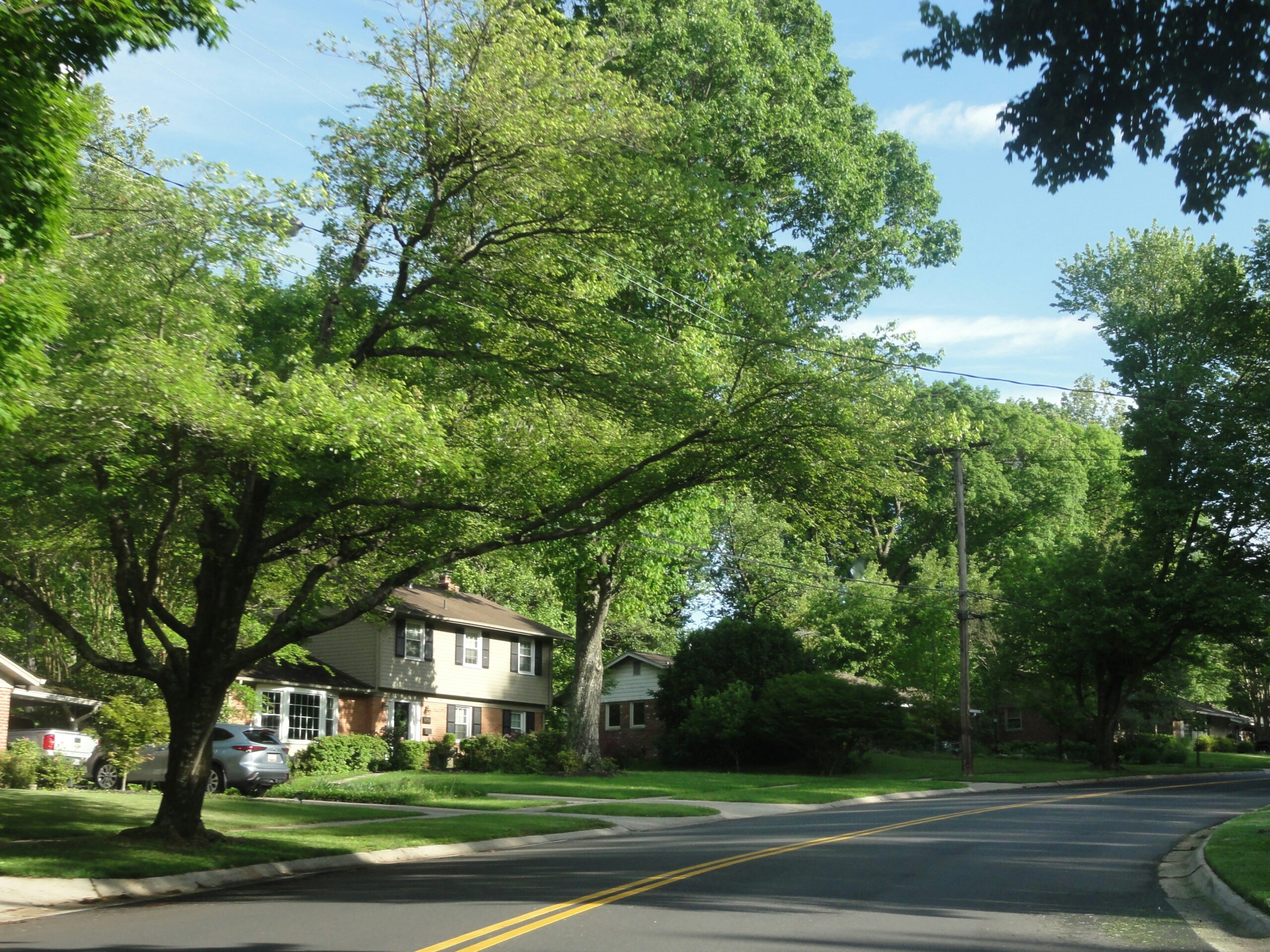
“Sold as-is” is the single most misunderstood phrase in residential real estate. For a lot of Carolinas homeowners, it sounds like a trap — a code word for “you’re about to get fleeced.” For others, it’s a lifeline: the fastest way out of a property they can’t afford to fix.
Both can be true. What matters is knowing exactly what “as-is” means legally, how buyers use the term to justify lower offers, and where you have leverage even when you can’t make a single repair. This guide walks through all three — specifically for North and South Carolina sellers.
The 30-second summary
Selling a house as-is in NC or SC means you’re not fixing anything the buyer finds during inspection. You keep your existing price, they take the property with every flaw disclosed. Expect offers 10–25% below turn-key market value — which is often STILL more than listing after repairs once you factor in contractor costs, carrying costs, agent fees, and time. Your leverage: refuse inspection-based re-negotiation, require proof of funds, and compare at least 2 cash offers.
What "as-is" legally means in NC & SC
In both North and South Carolina, selling a house “as-is” doesn’t release you from the duty to disclose known material defects. NC’s Residential Property and Owner’s Association Disclosure Statement (RPOADS) is mandatory for most home sales. SC requires a similar disclosure under SC Code § 27-50-30. You cannot hide a leaky roof, a failing HVAC, or a known foundation problem — as-is or not.
What as-is does do: it signals to buyers that you will not make repairs, will not issue repair credits, and will not renegotiate the price based on inspection findings. Buyers still have a right to inspect, and still have a right to walk away — but they can’t squeeze you for $8,000 after finding a crack in the brick veneer.
The real cost of NOT selling as-is
Sellers who try to “fix it up first” often lose more than they gain. Here’s the math on a typical $280,000 NC home that needs $22,000 in repairs to pass a traditional sale inspection:
- Repairs: $22,000 (roof + HVAC + paint + flooring)
- Carrying costs during repairs: $3,200 (3 months mortgage/tax/insurance)
- Agent commission at 6%: $16,800
- Seller closing costs: $4,200
- Repair negotiations after inspection (even with repairs done): $2,500 avg
- Total lost: $48,700
Net take-home on a $280,000 agent sale after repairs: $231,300. Compare that to an as-is cash offer of $240,000 with zero fees, zero commissions, zero carrying costs, and 7-day close — that cash offer nets you MORE despite being “lower.” This is the math traditional agents don’t show you.
Three traps cash buyers use — and how to dodge them
1. The "Inspection Renegotiation" bait-and-switch
Some cash buyers offer a strong number, get your contract signed, then demand a $15,000 credit after their “inspection.” This defeats the entire point of selling as-is. Fix this in the contract: add a clause that the offer is firm, as-is, with no renegotiation clause. A legitimate cash buyer will agree without hesitation — they already priced repair risk into the offer.
2. The "Assignment Fee" wholesaler
Some “buyers” are actually wholesalers who sign your contract then shop it to real buyers for a markup. You might not see this until 20 days in when they ask for an extension (they couldn’t find a buyer). Verify: request proof of funds (bank statement or POF letter) before signing. Real cash buyers have $250,000+ liquid and will show it.
3. The "Lowball to Anchor" offer
Shady buyers start at 55% of ARV (After-Repair Value) knowing you’ll counter higher, then settle at 65%. Legitimate cash buyers open at 70–85% of ARV depending on condition. If an offer feels disrespectful, it is — get a second opinion from another buyer.
Three traps cash buyers use — and how to dodge them
- You’re facing foreclosure, tax sale, or any hard deadline
- You inherited a property and have no interest in managing repairs
- You’re an out-of-state owner and can’t coordinate contractors
- The property needs $20,000+ in repairs you can’t or won’t finance
- You’ve tried listing and it sat for 60+ days with no offers
- You have open code violations, condemnation order, or daily fines accruing
What to do next
If any of those situations apply, an as-is cash sale is probably your best path. Get at least two cash offers, compare them side-by-side, and verify proof of funds before signing anything. In NC we close at a licensed NC real estate attorney’s office. In SC we close at a title company. Either way, the number on your contract is the number at your closing — no surprises.
Thinking about selling as-is in NC or SC?
Call Trey directly or request a free as-is cash offer. 24-hour turnaround. No pressure, no obligation.
Frequently Asked Questions
You don’t need one, but the buyer has the right to inspect. In an as-is sale to a cash buyer, the inspection is usually for the buyer’s own risk assessment only — no repair requests come out of it if your contract has an as-is clause.
Yes. The reverse mortgage gets paid off at closing from the sale proceeds just like a traditional mortgage. If the sale price exceeds the loan balance, you (or your heirs) keep the difference. If it’s less, reverse mortgages are non-recourse loans — you don’t owe the difference.
No. NC’s RPOADS and SC’s Residential Property Disclosure Statement are required regardless. You must disclose known material defects. As-is just means you won’t fix them — not that you can hide them.
Typically 10–25% below after-repair value. But after you factor in repair costs, carrying costs, agent commission, and 60–90 more days of ownership, net proceeds are often comparable or better for the as-is path — especially in markets where contractor availability is tight.
Usually not worth it. Appraisers price homes based on recent sales, not future potential, so an as-is appraisal can feel depressing. What matters more is getting 2–3 written cash offers to compare.